Metal Roof Installation in Central Texas: What Property Owners in Temple Should Expect From Start to Finish
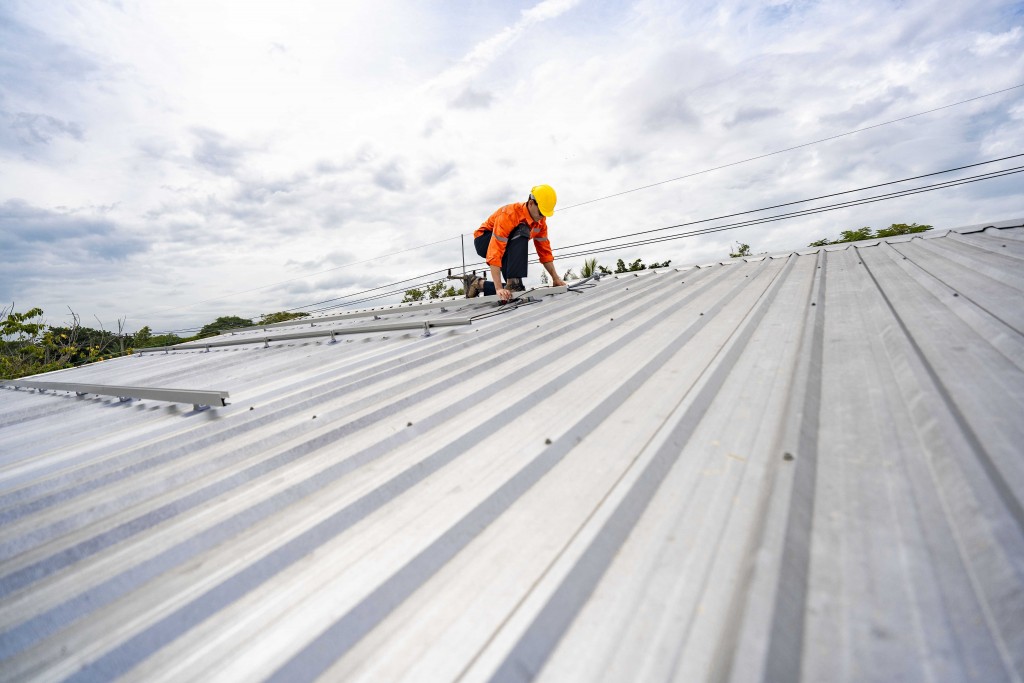
If you are considering metal roof installation for your home or business in Temple, Texas, understanding the process from start to finish can help you make confident decisions. At SP Construction LLC , we guide property owners through each step of roof installation, from evaluating the structure to selecting the right metal panels and completing final inspections.
Metal roofing near Temple, Texas provides long-lasting protection against heat, storms, and humidity. Unlike traditional shingles, metal panels expand and contract with temperature changes, making proper installation critical for durability and performance. You will learn how preparation, material selection, fastening, and insulation work together to create a roof that can last decades.
This guide walks you through what to expect during your project, common considerations, and how professional installation safeguards your investment. With clear steps, you can approach your metal roofing project with confidence.
Why metal roofing behaves differently in Central Texas conditions
Metal roofing reacts to heat and weather differently than traditional materials. In Central Texas, summer temperatures often rise above 95°F, and storms bring strong winds and heavy rain. These conditions cause metal panels to expand during the day and contract as temperatures drop. Without proper spacing and fastening, this movement can lead to panel distortion or moisture intrusion over time.
The material itself remains durable, but installation methods must allow for natural movement. Panel alignment, seam placement, and fastener selection all support long-term performance.
Key factors affecting behavior include:
-
Temperature changes: Daily expansion and contraction cycles
-
Wind exposure: Movement on elevated or open roof sections
-
Storm conditions: Stress on seams and flashing during heavy rain
Crews familiar with metal roofing plan for these conditions during roof installation to support durability and long-term function.
When metal roof installation is the right option
It works well for homes or businesses that need a durable and long-lasting roofing solution.
You may consider metal panels for new construction projects, replacing an aging roof, or upgrading from traditional shingles. Metal roofing is particularly useful where durability, weather resistance, and energy efficiency are priorities. Its longevity reduces the need for frequent repairs, and its reflective surfaces can lower cooling costs in hot climates like Central Texas.
Situations where metal roofing is recommended:
-
Roof replacement: Older shingle roofs showing wear or frequent leaks can benefit from metal panels.
-
New construction: Metal roofing provides a reliable long-term solution for residential or commercial buildings.
-
Maintenance reduction: Properties exposed to sun, wind, or storms gain protection with minimal upkeep.
Working with professional crews allows you to select the right panel style and fastening method for your property. Local expertise, such as that offered by SP Construction LLC, helps match the roofing system to structural conditions and regional weather patterns.
How contractors determine if a structure is suitable
Contractors check the roof’s structure before starting installation.
Not every roof can support metal panels without adjustments. Evaluating the framing, deck material, and ventilation helps identify areas that need reinforcement or repair. This process also reduces the risk of leaks, fastener issues, or long-term wear on the roof.
Key steps in the evaluation process:
-
Framing inspection: Verify that beams and trusses can handle the added weight of metal panels.
-
Deck review: Look for warped, rotting, or damaged planks that could compromise fastener stability.
-
Ventilation check: Confirm airflow prevents moisture buildup and reduces condensation under the roof panels.
Performing these checks allows the installation to progress smoothly. Working with experienced crews help guide property owners on repairs or modifications needed to support metal roofing. Local teams apply their knowledge of regional building practices to help create a reliable and long-lasting roof.
Planning stage: what happens before materials arrive
Planning sets the foundation for a successful installation.
Before any panels are delivered, measurements and layouts are calculated to match the roof’s dimensions and slope. Roof inspections and permits are scheduled to comply with local building codes. This preparation also accounts for weather conditions, helping avoid delays and protecting materials from damage.
Key planning steps include:
-
Measurements and layout: Determining panel lengths, seam placement, and overlaps to prevent leaks.
-
Scheduling: Adjusting delivery and installation around storms or high winds.
-
Permits and inspections: Coordinating with local authorities to meet Temple building requirements.
-
Drainage planning: Calculating slopes and overlaps to direct water away from the roof efficiently.
These steps help the installation proceed smoothly and reduce the risk of errors during roof placement. Experienced crews, such as those at SP Construction LLC, use local knowledge to align panels properly and maintain structural compatibility throughout the project.
Metal roofing system components explained
Metal roofing includes several components that work together to protect your property. Each element supports water resistance, thermal movement, and structural stability. Knowing how these parts function helps you follow the installation process and evaluate long-term performance.
Core components include:
-
Panels: Create the main protective surface and come in profiles like standing seam or corrugated.
-
Seams: Join panels while allowing expansion and contraction during temperature changes.
-
Fasteners: Anchor panels to the roof deck and limit movement when placed correctly.
-
Flashing: Seals edges, joints, and penetrations to block water entry.
-
Trim and ridge caps: Finish roof edges and add weather protection.
-
Ventilation elements: Improve airflow under panels and reduce moisture buildup.
During roof installation , each component must work together. Crews familiar with metal roofing select and assemble materials based on local conditions and structural needs.
Installation sequence explained step by step
Metal roof installation follows a structured process that supports durability and weather resistance. The work begins with preparing the site and reviewing the roof deck condition. Accurate alignment and spacing allow panels to adjust during temperature changes without stress. Panels are installed in an orderly pattern, with fasteners placed based on panel design. Flashing and trim protect edges, vents, and roof penetrations from moisture. A final review checks alignment, seams, and fastening consistency.
Typical steps include:
-
Preparation: Removing old roofing and reviewing the deck surface
-
Panel placement: Installing panels in rows with expansion spacing
-
Fastening: Securing panels with clips or screws based on system type
-
Sealing and flashing: Protecting seams, edges, and penetrations
-
Inspection: Reviewing stability and overall installation quality
Crews familiar with metal roofing follow this process to deliver reliable roof installation results.
Common installation mistakes and how they are avoided
Proper installation helps prevent leaks, panel buckling, and fastener issues.
Mistakes during installation can reduce roof performance and shorten its lifespan. Correct panel alignment, fastener placement, and flashing installation help the roof handle weather changes and thermal movement effectively.
Common points to watch:
-
Fastener placement: Screws too close to seams can create water entry points.
-
Panel spacing: Lack of room for expansion may cause panels to warp or buckle.
-
Flashing installation: Poorly installed flashing can allow moisture to seep at edges and penetrations.
Experienced crews manage these details carefully. Contractors familiar with local conditions follow installation practices that protect your investment and maximize the lifespan of metal roofing. Proper attention during installation reduces maintenance needs and keeps your property secure.
How insulation and roofing systems work together
Insulation and underlayment improve energy efficiency and protect against moisture under metal roofs.
A proper underlayment serves as a secondary barrier against water, while insulation regulates attic temperatures and reduces condensation beneath panels. Together, these elements enhance the roof’s performance, comfort, and lifespan.
Key elements include:
-
Underlayment: Provides extra water protection and supports the metal panels.
-
Spray foam or blown-in insulation: Maintains a consistent attic temperature and prevents moisture accumulation.
-
Ventilation integration: Helps airflow beneath panels to keep insulation dry and functional.
Combining insulation with metal roof installation creates a system that keeps your property cooler in summer and warmer in winter. Local professionals experienced with metal roofing apply these methods to improve energy efficiency and maintain the durability of your roof over time.
What property owners should expect after installation?
Metal roofs are durable but may show minor changes after installation.
You might notice small expansion or contraction noises as panels adjust to temperature changes. Routine inspections help maintain performance and extend the roof’s lifespan. Checking seams, fasteners, and flashing protects against water intrusion and keeps warranties valid.
Post-installation guidance includes:
-
Fasteners: Inspect screws and clips periodically, especially after heat waves.
-
Seams and panels: Look for slight shifts or gaps from thermal movement.
-
Flashing and trim: Check edges and penetrations after storms for water-tightness.
-
Cleaning debris: Remove leaves or branches that could trap moisture.
Following these steps helps your roof installation continue performing well for decades. Professionals experienced with metal roofing provide guidance and support to maintain long-term durability.
Why local installation experience affects outcomes
Local experience directly impacts the quality and longevity of metal roofs.
Crews who work regularly in the Temple area are familiar with the seasonal heat, sudden storms, and structural styles common in Central Texas. This knowledge helps maintain proper panel alignment, secure fasteners, and correct flashing placement. Following local codes for drainage and roof slope reduces the risk of leaks or damage over time.
Key advantages of local experience:
-
Weather adaptation: Adjusting installation for wind, rain, and heat fluctuations.
-
Code compliance: Meeting city and county building regulations.
-
Material handling: Selecting panels and fasteners suited to regional conditions.
-
Maintenance foresight: Recognizing potential stress points before issues develop.
Working with teams experienced in metal roofing near
Temple, Texas
provides confidence that your roof installation will perform reliably under local conditions for years.
How SP Construction LLC supports metal roof installation projects
SP Construction LLC manages every step of installation for homes and businesses.
Owner-led crews handle panel placement, insulation, and protective coatings. Our familiarity with local structures and building codes helps integrate new roofing systems smoothly while reducing common issues during and after installation.
Services and support include:
-
Residential roofing: Standing seam panels combined with underlayment and insulation for energy efficiency.
-
Commercial projects: Corrugated metal panels with coatings that resist weather and wear.
-
Code compliance: Adjusting installation methods to meet Temple regulations.
-
On-site supervision: Crew members monitor each phase to maintain alignment, fastener security, and seam integrity.
Choosing a team experienced in metal roofing near Temple, Texas, provides confidence that your roof installation will perform reliably for decades while fitting your property’s design and functional needs.
Ready to Start Your Metal Roofing Project?
If you’re planning a metal roof installation for your home or business in Temple, Texas, working with a knowledgeable local contractor can make all the difference. SP Construction LLC provides professional guidance, quality materials, and reliable workmanship to support long-term performance and durability.
Contact us today to discuss your roof installation needs and schedule a consultation by calling (254) 931-9313 or emailing Sherrie.Spconstructionllc@gmail.com . Our team is ready to help you move forward with confidence.