Metal Roof vs. Asphalt Shingles: Which Is Better for Central Texas Homes?
The short answer: for most Central Texas homeowners who plan to stay put for 15 years or more, a metal roof is the better long-term value. It lasts roughly twice as long as architectural shingles, handles wind and heat better, and can earn an insurance discount. Asphalt shingles win on upfront cost, ease of repair, and flexibility if you might sell in the next decade. Impact-resistant shingles land in between.
We install both at SP Construction, so we don't have a horse in this race. What follows is the same rundown we give homeowners in Temple, Belton, and Killeen when they ask us which way to go, including the insurance fine print most comparisons skip.
Metal roofing | Architectural asphalt shingles | |
Upfront cost | Roughly 2–3x shingles | Lowest of the two |
Typical lifespan | 40–50 years | 25–30 years |
Wind rating | Up to 140 mph | Typically 110–130 mph, depending on product and install |
Hail performance | Resists punctures; may dent | Class 4 versions resist cracking; standard shingles bruise and lose granules |
Heat and energy | Reflects more sun, keeps attics cooler | Absorbs more heat, especially darker colors |
Repairs | Harder; panels are often replaced, not patched | Easy and inexpensive to patch |
Install time | A bit longer; requires a specialized crew | Fast; most homes done in one to two days |
Best for | Long-term owners, hail-prone areas, low-maintenance goals | Tighter budgets, shorter ownership, traditional looks |
Metal vs. Shingles at a GlanceDurability and Lifespan in Texas Weather
Central Texas is hard on roofs. Summer heat bakes asphalt and dries out the oils that keep shingles flexible, which is why many shingle roofs here start showing age well before the end of their rated life. Spring brings hail and straight-line winds that can strip shingles in an afternoon.
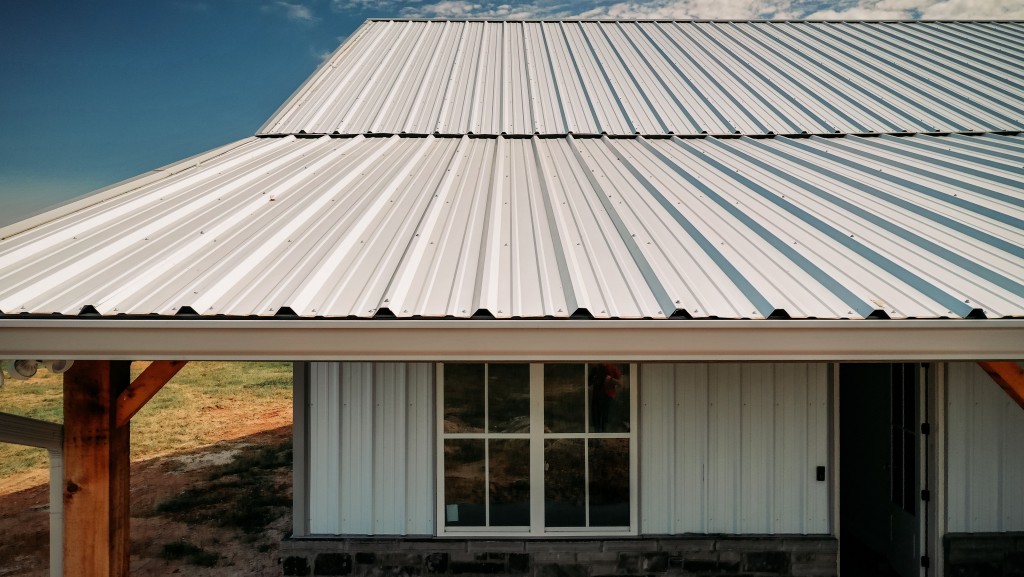
A properly installed metal roof doesn't break down in heat the way asphalt does. Standing-seam and stone-coated steel systems routinely last 40 to 50 years and are rated for winds up to 140 mph. Architectural shingles typically give you 25 to 30 years, and 3-tab shingles less. Over 50 years, that's one metal roof versus about two shingle roofs, plus the tear-off, disposal, and disruption of a second replacement.
Hail: The Part Most Comparisons Get Wrong
Hail is where the metal-vs-shingle decision gets more complicated, and where Texas insurance rules matter.
Metal rarely leaks from hail, but it can dent. Large hail can leave dimples in metal panels without breaking the seal. The roof keeps doing its job, but it doesn't look new anymore.
That's where cosmetic damage exclusions come in. Texas insurers can attach an exclusion for cosmetic hail damage to policies on homes that get a discount for an impact-resistant roof. With that exclusion, dents that don't affect performance aren't covered. For most homeowners that's a fair trade for a lower premium and a roof that keeps working, but you should know about it before you choose. Ask your agent whether your policy includes one.
Impact-resistant shingles are the middle ground. Class 4 shingles, rated under the UL 2218 standard, resist cracking far better than standard shingles. Not all of them perform the same, though. The Insurance Institute for Business & Home Safety tests products with lab-made hailstones and publishes independent hail ratings so you can compare them.
If your roof has already taken a hit, see our hail and storm damage roof repair page.
Insurance Discounts for Impact-Resistant Roofs
According to the Texas Department of Insurance, roofing tested for impact resistance, including shingles and formed metal panels, may qualify for a premium discount. Class 4 materials earn the highest credit, but each insurance company sets its own discount amount. After installation, the contractor fills out TDI's impact-resistant roofing installation form for your insurer.
The practical takeaway: call your agent before you choose a material. Ask what discount they offer for Class 4 shingles versus metal, and whether a cosmetic exclusion would come with it. The answer can shift the math by hundreds of dollars a year.
Energy Efficiency and Texas Heat
Metal roofing reflects more of the sun's heat than asphalt, especially in lighter colors or with factory-applied reflective coatings. That keeps attic temperatures down and takes some load off your air conditioner. According to ENERGY STAR, reflective "cool roofs" deliver the biggest savings in hot, sunny climates like ours, and the U.S. Department of Energy notes they can significantly lower roof surface temperatures compared with dark shingles.
Shingles absorb more heat, though lighter colors and newer reflective shingles narrow the gap. Whichever you choose, the roof covering is only part of the equation. Attic ventilation and insulation do as much to control heat. Many of our customers pair a new roof with spray foam insulation for that reason.
Cost and Long-Term Value
Metal typically costs two to three times as much as architectural shingles to install. The gap comes from the material itself and the specialized labor it takes to install panels, trim, and flashing correctly. Shingles cost less, and nearly every roofing crew can install them.
The long-term math depends on how long you'll own the home:
Staying 20+ years? Metal usually comes out ahead once you factor in a second shingle replacement, lower maintenance, possible insurance discounts, and cooling savings.
Selling within 10 years? Shingles usually make more sense. You'll recover less of a metal roof's premium at sale than you'd save by living under it.
Somewhere in between? Class 4 impact-resistant shingles are often the sweet spot: a modest upgrade over standard shingles, with better hail performance and a possible discount.
Installation and Repairs
Metal roofing is less forgiving to install. Panels expand and contract with temperature swings, so fasteners, clips, and flashing have to allow for movement. When a metal roof leaks, the cause is almost always installation detail at a penetration, valley, or edge, not the metal itself. Choose a crew with metal experience.
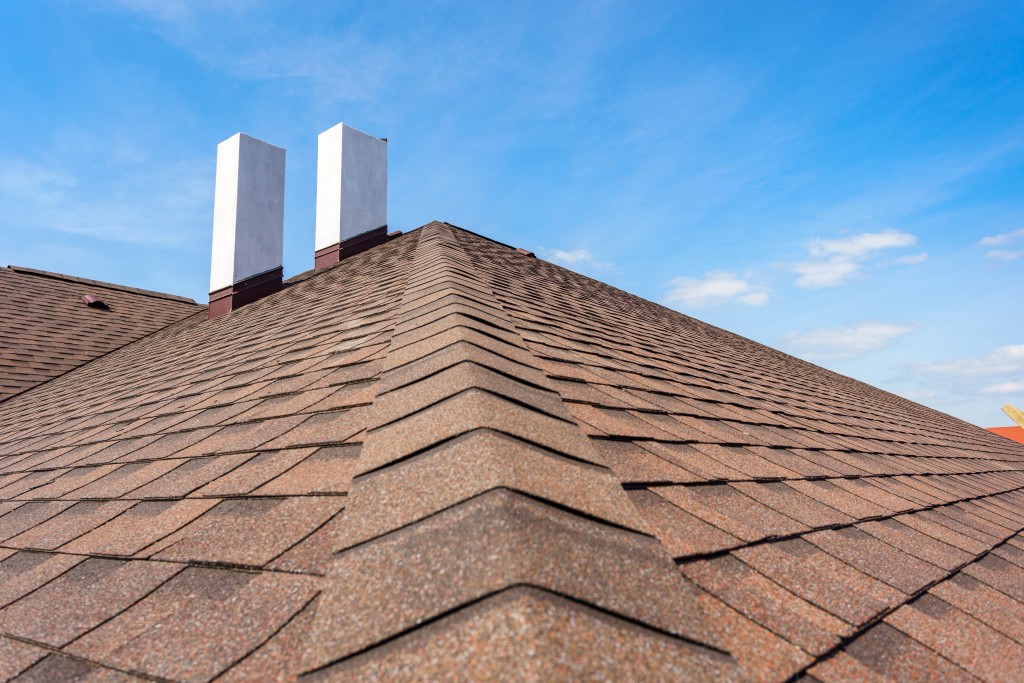
Shingles are the opposite: fast to install and easy to repair. Replacing a few wind-damaged shingles is a quick, inexpensive fix, while a damaged metal panel usually has to be replaced in full.
Appearance and HOA Rules
Architectural shingles give a traditional, dimensional look that suits most homes in Temple and Belton neighborhoods. Metal comes in standing-seam panels for a clean, modern or farmhouse look, and in stone-coated steel that mimics shingles, shake, or tile. If you're in an HOA, check the rules first, since some restrict metal roofs or colors.
So Which Should You Choose?
Choose metal if you plan to stay long-term, want the fewest replacements, live in a hail-prone area, and are comfortable with the possibility of cosmetic dents.
Choose architectural or Class 4 shingles if you want the lowest upfront cost, may sell within 10 years, prefer a traditional look, or want simple, inexpensive repairs.
Still on the fence? That's normal, and it's what a free estimate is for. We'll look at your roof's slope, decking, ventilation, and storm history, then give you an honest recommendation. We're an Owens Corning preferred contractor and install metal systems too, so we'll recommend whatever actually fits your home. Learn more about our residential roofing services and the family behind SP Construction.
Frequently Asked Questions
Are metal roofs better than shingles in Texas?
For long-term owners, usually yes. Metal lasts 40 to 50 years, handles heat and wind better, and may qualify for an insurance discount. Shingles are the better pick if upfront cost matters most or you may sell within about 10 years.
Is a metal roof louder in the rain?
Not noticeably on most homes. Metal installed over solid decking with underlayment and an insulated attic sounds about the same as shingles from inside. The loud "tin roof" sound comes from metal installed over open framing, like a barn or carport.
Does a metal roof attract lightning?
No. Metal doesn't make a strike more likely. If lightning does hit, a metal roof is noncombustible and spreads the energy out, so it's no more dangerous than a shingle roof.
Will my insurance cover hail dents on a metal roof?
It depends on your policy. Some Texas policies on impact-resistant roofs include a cosmetic damage exclusion, which means dents that don't cause leaks or functional damage aren't covered. Ask your agent before you choose a material.
Can you install metal over my existing shingles?
Sometimes, but we rarely recommend it. Tearing off the old roof lets us inspect and repair the decking underneath, which is the foundation your new roof depends on.
Get an Honest Recommendation
Not sure whether metal or shingles is right for your home? Call SP Construction at 254-931-9313 for a free estimate. We'll inspect your roof, talk through your budget and how long you plan to stay, and give you a straight recommendation. No pressure, and no agenda, since we install both. See everything we offer on our residential roofing page.
Call 254-931-9313 for Your Free Roofing Estimate