How Proper Roof Installation Extends the Lifespan of Metal Roofing Systems
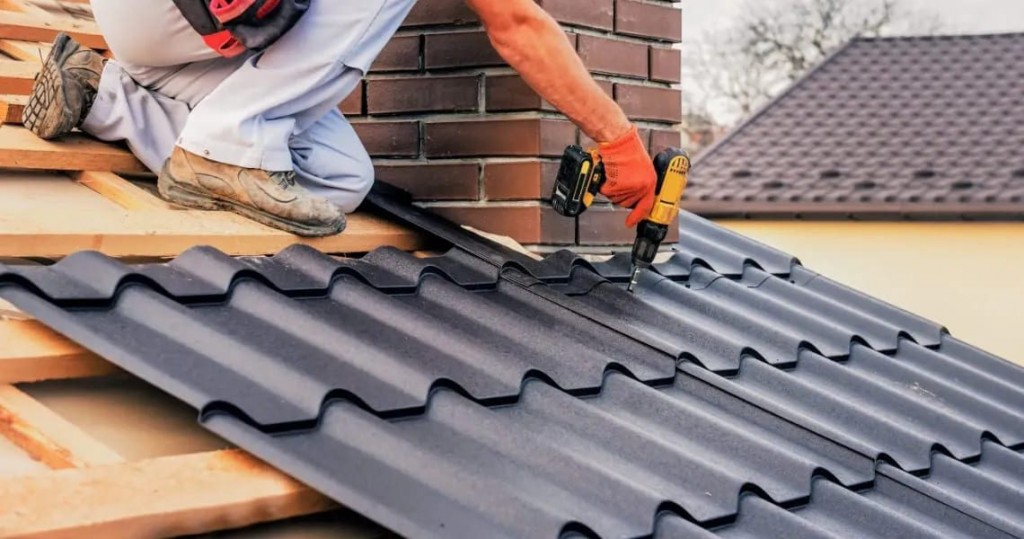
Metal roofs are built to last, but their lifespan depends heavily on how they are installed from the start. A well-executed metal roof installation supports proper drainage, controls thermal movement, and keeps structural stress balanced across the entire system. When these factors are handled correctly, the roof performs steadily through heat, wind, and seasonal changes common in Central Texas.
At
SP Construction LLC
, we work with homeowners and property owners who want their roofing system to hold up over time, not just look good
on day one. You may be searching for metal roofing near you, but what matters more is how that roofing system is
installed and maintained for long-term use. A roof is more than materials; it is a system that responds to weather
every day. The way it is installed decides how long it will continue protecting your home or business without
interruption.
What Proper Roof Installation Means for Metal Roofing Systems
Proper roof installation means setting up a metal roofing system with correct alignment, fastening, sealing, and drainage planning so the structure handles weather changes effectively.
A roof is not just metal panels placed on a structure. It is a connected system where each part affects long-term performance. In the installation of a metal roof, small setup errors can affect water flow and structural stability.
Metal roofing responds daily to heat, wind, and moisture. Each panel and fastener must work together to manage movement and pressure.
When the installation is done correctly, stress spreads evenly across the surface. Poor setup creates weak points that reduce service life.
At SP Construction LLC, every roof is installed with attention to how each layer works together over time for lasting protection.
How Metal Roofing Systems Change Over Time
Metal roofing systems expand, contract, and shift as they respond to heat, wind, and moisture throughout the year.
You may not see it, but your roof moves daily. In Central Texas, temperature changes and storms place repeated stress on the system.
Heat expansion
Metal panels expand in heat and contract as temperatures drop.
-
Panels change size between day and night
-
Seams carry repeated stress
-
Fasteners absorb that movement
Wind pressure
Wind applies force across the roof surface.
-
Fasteners hold panels in place.
-
Connections distribute pressure
-
Loose sections may shift
Water flow
Water must drain across the surface without pooling.
-
Slopes guide water away.
-
Seams guide water directly
-
Poor drainage leads to standing water.
We install roofs to handle all of these conditions over time.
Installation Factors That Affect Metal Roof Lifespan
Installation factors affect metal roof lifespan by controlling water flow, movement, and structural pressure over time.
You depend on your roof to perform through changing weather. That performance comes from how each part is installed and how those parts work together.
Panel Alignment and Layout
Panel alignment guides drainage and balances load.
-
Straight lines support water flow.
-
Even spacing reduces stress.
-
Proper overlap limits moisture entry.
Fastener Placement and Spacing
Fasteners hold panels while allowing movement.
-
Tight fasteners may damage panels.
-
Loose fasteners allow shifting.
-
Consistent spacing supports stability.
Underlayment Protection Layer
Underlayment protects the roof deck from moisture.
-
Synthetic layers resist water.
-
Overlap blocks moisture spread.
Sealing at Joints and Transitions
Sealing blocks water entry at exposed areas.
-
Seams and edges require protection.
Our installation focuses on long-term performance.
How Installation Quality Influences Roof Lifespan
Installation quality determines how long a metal roof performs before repairs or replacement become necessary.
You might choose strong materials, but the way those materials are installed decides how they hold up over time. In the installation of a metal roof, each step affects how the system handles pressure from heat, wind, and moisture.
A well-installed roof spreads stress evenly across the structure. That balance reduces strain on panels, seams, and fasteners. Poor installation places stress in specific areas, which leads to early wear.
Industry data shows:
-
Properly installed metal roofs can last 40 to 70 years
-
Poor installation may require repairs within 10 to 15 years
What affects lifespan most:
-
Secure fastenings reduces panel movement
-
Consistent, proper sealing will limit water intrusion
-
Accurate alignment supports steady drainage and prevents pooling
Our installation focuses on long-term performance so your roof holds steady through changing conditions.
Common Installation Issues That Shorten Roof Life
Installation issues shorten roof life by creating weak points where movement, water, and pressure build over time.
You may not notice these problems early, but they affect how your roof performs. During installation, small errors can lead to long-term damage.
Fastener Errors
Fastener mistakes cause instability across the roof system.
-
Over-tightening weakens metal
-
Under-tightening allows movement
-
Incorrect placement reduces strength
Drainage Problems
Poor drainage increases water exposure.
-
Flat areas hold water.
-
Low slopes slow runoff
-
Blocked paths increase wear
Sealing Gaps
Incomplete sealing allows moisture inside.
-
Gaps expand with temperature changes.
-
Rain enters exposed joints
-
Moisture reaches the inner layers
Our installation focuses on preventing these issues.
Residential Roof Installation Considerations
Residential roof installation focuses on protecting living spaces, controlling heat transfer, and supporting long-term indoor comfort.
You depend on your roof daily to keep your home dry, stable, and livable. During metal roof installation, placement and fastening affect how well the system handles heat, wind, and rain over time.
Metal roofing supports better heat control than many traditional materials. When installed correctly, it helps reduce attic heat buildup and limits moisture movement into interior spaces.
In roof installation, careful work at seams, fasteners, and drainage points affects future repair needs.
Key residential benefits include:
-
Lower attic heat buildup during summer
-
Reduced risk of water intrusion during storms
-
Steady roof performance over time
In metal roofing, local weather shapes installation choices. We focus on stable residential roofing built for everyday conditions.
Commercial Roof Installation Considerations
Commercial installation focuses on protecting business operations, inventory, and structural stability across large roof surfaces.
You depend on your roof to support daily activities without interruptions. During installation, layout planning becomes important because commercial systems cover wide areas and face stronger weather exposure.
In metal roof installation, small inconsistencies across large surfaces can affect drainage, energy use, and long-term performance. Careful panel placement and slope design help reduce these risks.
Large roofs also manage higher water volume during storms. A well-planned system directs flow without pooling or backflow.
Key considerations include:
-
Warehouses protecting goods from water intrusion
-
Retail spaces maintain dry interiors
-
Industrial buildings supporting stable coverage
In metal roofing, local climate affects design choices. We focus on steady performance with minimal disruption to operations.
Local Conditions in Temple, TX, and Roof Performance
Local weather in Temple, TX, directly shapes how a metal roofing system performs over time under heat, wind, and rain exposure.
Central Texas has strong seasonal shifts, and your roof responds daily. During installation, slope design, fastening, and panel selection are planned around these conditions so the system handles ongoing weather stress.
In metal roof installation, heat causes panels to expand during the day and contract at night. Wind adds surface pressure, while heavy rain tests drainage paths and roof layout.
Key weather impacts include:
-
High heat drives expansion and contraction cycles
-
Storm winds test fastener strength and panel hold
-
Heavy rainfall challenges drainage and surface design
In metal roofing, these factors shape installation planning from the start. SP Construction LLC works with Temple, TX , weather patterns to support long-term roof performance.
Metal Roofing and Contractor Selection
Choosing local roofing support affects how a metal roofing system is installed and how it performs under regional weather conditions.
You often search for metal roofing near you because local experience matters in roof performance. A contractor familiar with Temple, TX, conditions brings practical knowledge of heat, wind, and storm patterns that affect every metal roof installation.
Local teams adjust methods based on how buildings respond to seasonal changes. That includes panel movement during heat and fastening behavior during strong winds.
Working with nearby professionals also improves communication and service response.
Key benefits include:
-
Material choices suited to Texas heat
-
Installation methods aligned with wind exposure
-
Faster response for inspections and repairs
A proper installation depends on both technique and local weather knowledge. We work with these conditions in mind for long-term roof performance.
About SP Construction LLC
SP Construction LLC provides the installation of metal roofs and installation services in Temple, Texas, for residential and commercial properties.
You rely on a roof to protect your home or business every day, so installation decisions matter from the start. In metal roof installation , each project begins with reviewing the structure and matching materials to local weather conditions.
The company is led by Sherrie Potter and Billy Potter, who have lived in Central Texas for over 17 years. Their work reflects practical construction experience and steady project handling.
Billy’s background in welding, remodeling, and structural repair supports hands-on problem-solving. Sherrie focuses on communication and project coordination.
Service approach includes:
-
Roof structure review before work begins
-
Material selection based on property type
-
Installation aligned with local conditions
In metal roofing, local experience guides long-term roofing decisions.
Signs of Installation-Related Roof Problems
Early roof issues often point to installation stress rather than material failure in a metal roofing system.
You may notice small changes in your home or building before any major damage appears. In metal roof installation, minor placement or fastening errors often show up later as performance concerns.
Common signs include:
-
Water stains on ceilings after rainfall
-
Panel movement during strong wind
-
Rising cooling costs in summer
A roof installation with uneven alignment or weak fastening can place stress on certain areas, leading to these issues over time.
In metal roofing, local weather can speed up how quickly these signs appear. SP Construction LLC reviews these problems by linking them back to installation details and system behavior over time.
Schedule Your Roof Inspection or Installation Today
Roof issues often start small, then show up as visible changes across ceilings, panels, or energy use. Addressing those signs early helps keep your roof aligned with long-term performance goals.
Call SP Construction LLC at (254) 931-9313 to schedule an installation or inspection in Temple, TX.
You can also reach us at
Sherrie.Spconstructionllc@gmail.com
for service details, estimates, or project planning support.