Choosing the Best Roofing Shingles: What Every Property Owner Should Know
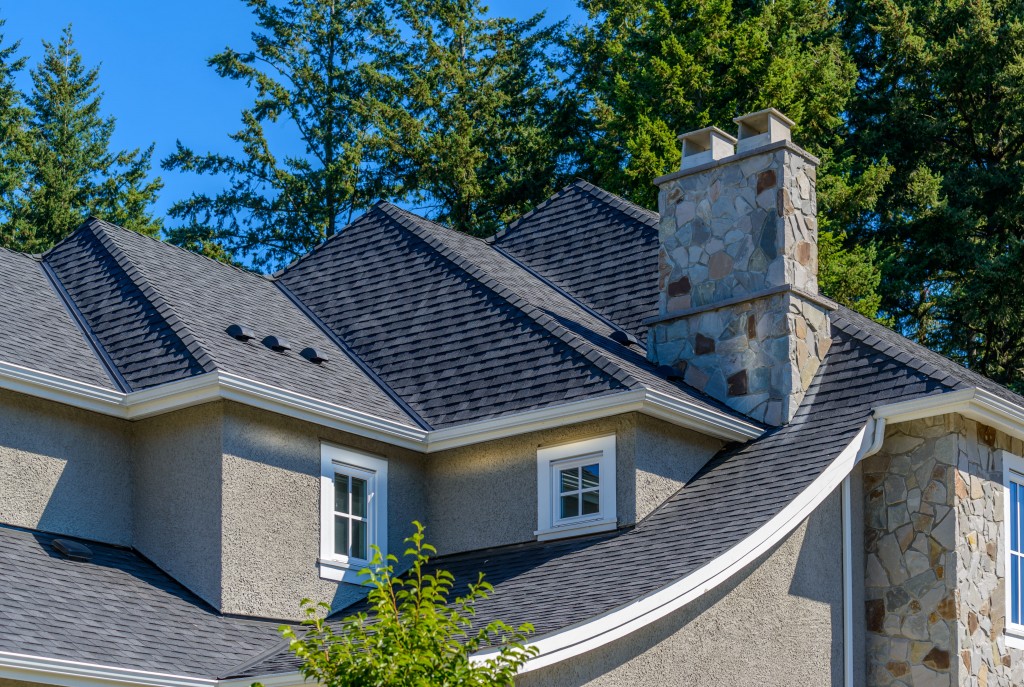
Your roof protects your home or business from harsh weather, enhances comfort, and adds long-term value. With so many shingle types and materials available, making the right choice can feel overwhelming. Understanding the key differences in durability, energy efficiency, warranties, and maintenance helps you select a roofing solution that lasts. At SP Construction LLC in Temple, Texas, we guide homeowners and business owners through choosing and installing the right shingles for their property. We also provide expert advice on color, style, and design to complement your property's appearance. Our goal is to help your roof not only perform well but also enhance your home or business's curb appeal for the long term.
Understanding Different Styles of Roofing Shingles
Not all shingles perform the same, and choosing the right type makes a major difference in long-term durability, cost, and protection. The sections below highlight the most widely used options to help property owners make an informed decision.
1. Asphalt Shingles
Asphalt shingles are a widely used, cost-effective roofing option that comes in many styles and colors. Properly installed, they can resist wind and moisture, and they are generally less expensive than tile, wood, slate, or metal. Standard asphalt shingles are not highly reflective, so if reducing cooling loads is a priority, choose products specifically designed as cool roof shingles or ENERGY STAR-rated asphalt shingles that use reflective coatings to lower heat absorption.
2. Architectural Shingles
Thicker and more durable than standard asphalt, architectural shingles have a layered look that enhances curb appeal. They can resist stronger winds and last 30-50 years. Homeowners often consider architectural shingles the best roofing type because they combine performance with aesthetics and long-term value.
3. Impact-Resistant Shingles
Impact-resistant shingles are formulated to perform better in hail and severe weather. Look for products tested to industry standards such as UL 2218, which assigns Class 1 through Class 4 ratings for impact resistance. Class 4 indicates the highest resistance to hail-related damage. For commercial applications where hail or debris is a concern, specifying impact-rated materials and confirming their UL rating can reduce repair costs and downtime after storms.
4. Commercial Shingle Types
Low-slope commercial roofs need materials that can withstand standing water, UV exposure, and heavy foot traffic. TPO or modified bitumen are ideal choices for long-term performance. TPO offers energy efficiency and UV resistance, while modified bitumen provides durability and waterproofing. Comparing TPO vs modified bitumen can help property owners select the most suitable solution for flat or low-slope commercial roofs.
Choosing the right shingle type depends on your climate, roof design, and long-term goals. By comparing the advantages of each option, property owners can invest in a roofing system that performs well and protects their property for years to come.
Key Factors to Consider When Choosing Shingles
Choosing roofing shingles becomes much easier when you understand how each material performs under different weather conditions and long-term property needs.
1. Climate and Weather Conditions
Local weather affects shingle performance. Areas with high winds, hail, or heat need durable, weather-resistant shingles. Impact-resistant shingles are ideal in storm-prone regions, while architectural shingles work well in moderate climates.
2. Lifespan and Warranty
Shingle lifespan depends on material quality, climate, installation, and maintenance. Typical three-tab asphalt shingles often last around 15 to 25 years under normal conditions. Architectural shingles commonly perform in the 20 to 30 year range, though premium products may carry longer rated warranties. Warranties vary greatly, and many are prorated or cover materials only. Review whether a warranty includes labor, is transferable, and what conditions can void coverage.
3. Cost vs. Long-Term Value
Cheaper shingles may reduce upfront costs but can require frequent repairs. Investing in durable shingles can save money over time. Balancing initial cost with durability helps you make a smart financial decision for your property. Considering long-term maintenance and replacement costs helps you avoid unexpected expenses down the road.
4. Aesthetics and Style
Shingle choice affects curb appeal. Architectural shingles and premium options offer textures and colors that complement your home or business exterior. Matching shingles with your property's style increases visual appeal and value. A well-chosen shingle style can enhance your property's character and make a good impression on visitors or potential buyers.
5. Energy Efficiency
Some shingles reflect sunlight and reduce heat transfer, lowering cooling costs. Comparing roofing material options helps select shingles that are both durable and energy-efficient. Cool roof shingles are especially useful in hot climates like Central Texas. Energy-efficient shingles not only reduce utility bills but also increase overall comfort and contribute to a more sustainable home.
6. Environmental Considerations
Eco-friendly shingles are gaining popularity. Options include recycled materials or reflective coatings that reduce energy use. Choosing sustainable shingles can help minimize environmental impact while providing long-term savings. Selecting environmentally conscious shingles also supports a healthier home environment and can contribute to potential energy rebates or incentives.
At SP Construction LLC, we help property owners understand the factors that affect durability, efficiency, and long-term value, guiding you toward the best roofing investment for your home or business.
Best Practices for Choosing Shingles
Choosing the right shingles requires careful planning and informed decisions. Understanding the different types of roofing shingles and their unique features allows you to select the right option, providing long-lasting protection and optimal performance for your property.
1. Evaluate Your Current Roof
Start by inspecting your roof for damage, leaks, or weak spots. Understanding its current condition helps guide your shingle choice. Early detection of issues helps prevent costly repairs later. A detailed inspection also reveals structural concerns that may affect installation. Look for sagging areas or worn flashing around chimneys. Addressing these issues leads to a stronger and more durable roofing system.
2. Identify Property Needs
Consider your local climate, roof slope, and building type. Each factor affects shingle performance and durability. Selecting shingles that match your property helps achieve long-term results. Homes in hot climates may need reflective shingles for better comfort. Steep roofs handle different shingle materials than low-slope roofs. When you understand these needs, you can select shingles that perform better year-round and suit your property's climate and design. With SP Construction LLC, homeowners and businesses in Central Texas receive reliable, detail-oriented roofing solutions designed for protection and enhanced curb appeal.
3. Compare Shingle Options
Look at asphalt, architectural, impact-resistant, and commercial shingles. Each type offers unique benefits in durability, style, and cost. Comparing them carefully supports finding the right solution for your home or business. Architectural shingles offer improved longevity, while impact-resistant shingles help reduce storm-related repairs. Commercial properties may require TPO or modified bitumen for low-slope areas. A fair comparison leads to smarter, cost-effective decisions.
4. Check Warranty and Lifespan
Review the warranty and expected lifespan of each shingle option. Warranties provide financial protection. Choosing shingles with strong warranties helps maintain protection over time. Some warranties cover only materials, while others include labor. Longer warranties often indicate higher-quality shingles. Understanding these details helps prevent unexpected expenses later.
5. Hire Professionals
Proper installation is essential for shingle durability and warranty coverage. At SP Construction LLC, we provide expert installation to maximize your roof's longevity. Using certified professionals provides correct shingle installation according to manufacturer standards, preventing common mistakes and maximizing roof performance. This helps prevent leaks, blow-offs, and premature wear. Skilled installation also helps your roof perform better during extreme weather.
Following these steps helps select shingles that deliver protection, durability, and value for your property.
Common Mistakes to Avoid
Making the right shingle choice becomes much easier when you understand the pitfalls that many property owners face. Recognizing these mistakes early helps you select materials that offer stronger performance and better long-term value.
1. Avoid Choosing Shingles Based on Price Alone
Selecting shingles based only on the lowest cost often leads to materials that break down sooner than expected. Cheaper products may need repeated repairs, increasing long-term expenses. Choosing higher-quality shingles usually results in better durability and stronger protection. Property owners should weigh lifespan and material strength instead of focusing only on price.
2. Do Not Overlook Warranty Coverage
Many homeowners overlook warranty details, missing important coverage that protects their investment. A solid warranty can help with defects, unexpected wear, and installation issues. Understanding what is included helps prevent surprise costs later.
3. Skip DIY Installation to Prevent Costly Mistakes
Installing shingles without professional skill can cause misalignment, leaks, and loss of warranty coverage. Even small mistakes can shorten the life of your roof or create structural issues. Professional installation provides proper sealing, correct fastening, and balanced ventilation. Relying on trained specialists helps avoid costly problems in the future.
4. Neglecting the Climate Factor
Skipping climate considerations exposes your roof to unnecessary strain. Heat, hail, wind, and humidity all affect how long shingles last. Choosing materials that match your region's conditions improves reliability and long-term performance. Central Texas weather should always influence your shingle selection.
5. Working Without Professional Guidance
Some property owners choose shingles without expert input, leading to options that may not match the structure or intended lifespan of the roof. Professionals offer recommendations based on slope, design, and maintenance goals. Their knowledge helps you make decisions that bring better results.
Avoiding these mistakes gives your roof the strength and resilience needed to withstand Central Texas weather. With the right approach and expert guidance, your roofing investment brings better protection and longer service life.
Maintenance Tips for Shingles
Selecting the right roofing shingles is important for safeguarding your home or business from harsh weather while enhancing curb appeal. Understanding the types, materials, and maintenance needs helps you make an informed, long-term investment.
-
Clean debris and leaves regularly: Removing leaves, branches, and other debris helps prevent moisture buildup, which can lead to shingle deterioration and water damage over time.
-
Inspect for storm damage: After heavy winds, hail, or storms, check for cracks, missing shingles, or loose edges. Early detection helps prevent leaks and costly repairs.
-
Check for moss, algae, or mold growth: These can weaken shingles and reduce lifespan. Regular cleaning or treatment keeps your roof both durable and visually appealing.
-
Perform seasonal inspections: Inspect flashing, gutters, and overall roof condition during spring and fall to catch wear, sagging areas, or minor damage before it worsens.
-
Address minor issues promptly: Fixing small problems quickly helps your shingles continue to protect your property and reduces the likelihood of expensive, large-scale repairs.
By selecting the right shingles and maintaining them properly, you can enjoy a durable, energy-efficient, and attractive roof for decades.
Emerging Shingle Technologies
The roofing industry is evolving with innovative materials that combine durability, energy efficiency, and sustainability. Solar-integrated shingles are commercially available and can produce electricity while serving as roofing material, but they are typically more expensive than conventional solar panels and may be a premium choice for specific projects. Emerging products marketed as self-cleaning or self-healing exist, but many are new and have limited long-term performance data. When considering new technologies, compare lifecycle cost, warranty terms, and independent reviews.
Eco-friendly and recycled materials offer sustainable options for environmentally conscious property owners, and modular or smart roofing systems simplify installation and enable real-time monitoring of roof health. These emerging technologies provide long-term value, performance, and comfort for modern homes and commercial buildings.
Frequently Asked Questions (FAQs)
1. What are the main types of roofing shingles, and how do they differ?
The most common shingles are asphalt, architectural, and impact-resistant. Asphalt shingles are cost-effective, architectural shingles offer durability and layered aesthetics, and impact-resistant shingles provide extra protection against hail and severe weather.
2. How do I choose shingles that suit my local climate?
Consider local weather conditions like heat, hail, wind, and humidity. For example, impact-resistant shingles are ideal for hail-prone areas, while cool reflective shingles are best in hot climates to reduce cooling costs.
3. What factors affect the lifespan of shingles?
The lifespan of shingles is affected by several factors, including the type and quality of the material, the quality of installation, regular maintenance, and exposure to weather conditions.
Get Expert Roofing Installation with SP Construction LLC Today
Choosing the best roofing shingles requires careful consideration of material, durability, style, climate, and long-term value. From asphalt and architectural shingles to impact-resistant and commercial options, each type offers unique benefits for homeowners and business owners. By understanding shingle types, comparing materials, and following best practices, property owners can protect their investment and enjoy a roof that performs for decades. At SP Construction LLC in Temple, Texas, we provide expert guidance and professional installation to help you select the right shingles for your property. For reliable, durable roofing solutions, reach out to us at (254) 931-9313 or email Sherrie.Spconstructionllc@gmail.com today.